Masonic symbolism
A public introduction to the images of building, learning and personal growth used in Freemasonry.
Why teach through symbols?
A symbol gives an idea a memorable form. A familiar tool, a stone or a drawing can prompt a question about how we act and what we are trying to become. The Lodge’s earlier educational page introduced symbols as visual aids for moral learning. This introduction develops that theme through everyday examples, without describing private ceremonies.
Symbolic learning invites reflection rather than a quick answer. A person can return to the same image at different stages of life and notice something new. Its value lies in relating an idea to conduct: honesty in a difficult conversation, patience while learning, or consideration for someone who needs support.
The square and compasses
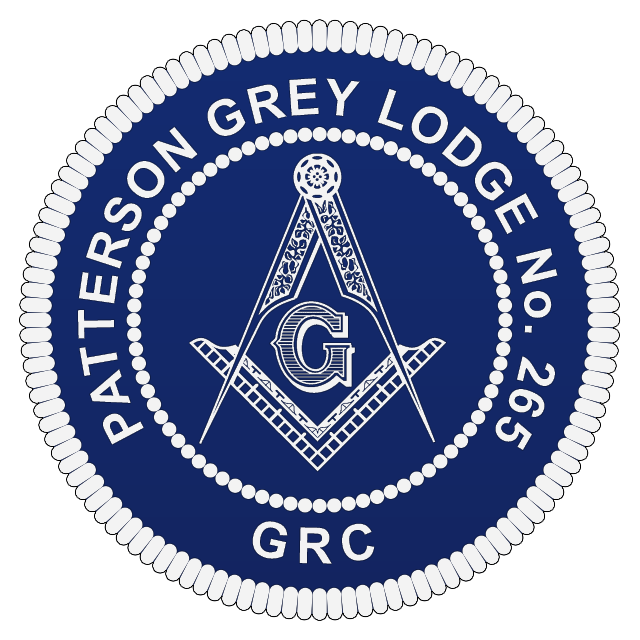
The square and compasses are among the most recognisable images associated with Freemasonry. Both belong to the world of design and construction. A square helps a builder test an angle; compasses allow a shape to be set out with care.
As a starting point for reflection, these tools invite us to consider standards and limits. Are we dealing fairly with others? Do our actions match our stated principles? What boundaries help us exercise good judgement? The image connects careful building with the ongoing work of developing character.
Rough and finished stone
The former Lodge page included rough and perfect ashlars: stones considered in their unfinished and worked forms. The contrast offers an accessible image of improvement. Learning takes time and effort, and a worthwhile result seldom appears without practice.
It also reminds us that development is more than an individual pursuit. A building depends on how its parts fit together. In the same way, personal growth matters in our relationships with family, friends and the wider community.
The apron and the value of work
The apron recalls the practical clothing of a craftsperson. It directs attention to work rather than words alone. A useful question is not simply what a person knows, but how that knowledge is put into practice through care, reliability and service.
In this public reading of the image, small everyday actions matter: keeping a promise, learning a skill properly, or making time to help another person.
A plan before the work
The trestle board, also named in the earlier educational page, provides another building image: a place for a plan. Planning asks us to think before acting, to understand the purpose of a task and to consider how our choices affect others.
Reflection and action belong together. A plan can guide work, but it is the work itself that gives the plan meaning. The same relationship can help us think about ideals and the daily habits needed to live by them.
Learning in context
This is an introductory discussion, not a complete account of Masonic teaching. Symbols are best understood in context and through continued learning and conversation. No single short description exhausts what an image can suggest.
Learn more about Freemasonry or contact the Lodge with a public question.